
Can I Sue Someone for a Fake Google Review in Ontario?
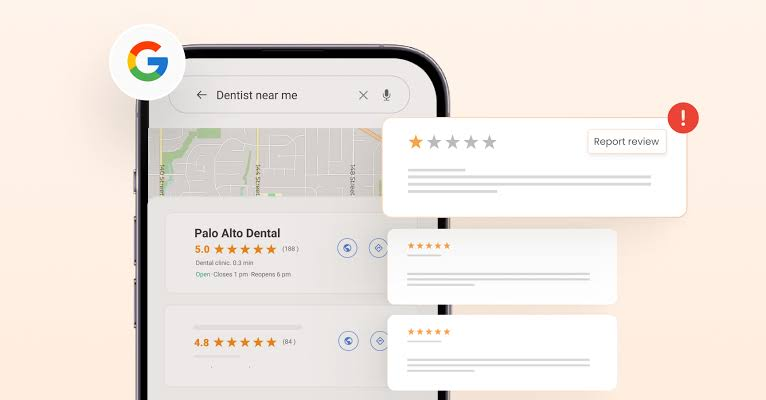
Online reviews can have a real impact on a business, and it can be frustrating and even upsetting to see a review that feels untrue, unfair, or clearly written by someone who was never actually a customer. Many business owners in Ontario wonder whether they can sue the person who left the review, or whether there is anything that can legally be done about it. The short answer is that it depends on the specific facts, and not every negative or fake sounding review will meet the bar for a legal claim. Below is a general look at what tends to matter when a business is considering whether a fake review has become a legal issue.
Not Every Bad Review Is a Legal Issue
A review that is simply negative, harsh, or based on someone's honest opinion is generally not something a business can sue over, even if the business strongly disagrees with it. People are generally allowed to share honest opinions about their own experiences, including negative ones. The issue tends to become more serious when a review includes false statements of fact, rather than opinion, particularly if those statements could harm the business's reputation. Figuring out whether a specific review crosses that line usually depends on the exact wording used and the context around it.
When a Review May Cross Into Defamation
A review may raise a potential defamation issue if it makes a false statement of fact that is published to others and that could damage the business's reputation. This might include a reviewer claiming something happened that did not happen, accusing the business of dishonest or illegal conduct without any real basis, or a review posted by someone who was never actually a customer at all. Whether a specific review meets this bar can depend on a number of factors, including whether the statement is actually false, whether it was presented as fact rather than opinion, and whether it caused or is likely to cause harm to the business. This is very fact specific, and a review that feels obviously unfair to the business owner will not always meet the legal threshold.
Why Evidence Matters
If a business is considering any kind of legal action or formal complaint over a fake review, evidence tends to matter a great deal. This can include a screenshot of the review before it is edited or removed, any records showing whether the reviewer was ever actually a customer, communication with the reviewer if there was any, and documentation of harm the review may have caused, such as a noticeable drop in bookings or inquiries. Reviews can sometimes be edited or deleted after the fact, so preserving evidence early on is generally a good idea, even before deciding on next steps.
Steps to Consider Before Starting a Claim
Before jumping straight to a lawsuit, there are usually a few practical steps worth considering first. Reporting the review to Google directly is often a reasonable starting point, particularly if the review appears to violate Google's own policies, such as reviews from non customers or reviews containing clearly false claims. In some cases, reaching out to the reviewer directly, or having a lawyer send a letter on the business's behalf, may help resolve the issue without going any further. Legal action is generally considered a more serious step, and it is usually worth weighing the time and cost involved against what the business realistically hopes to achieve.
Trying to Resolve It Without Going to Court
Many disputes over online reviews are resolved without ever ending up in court. This might involve the platform removing the review after a report is submitted, the reviewer agreeing to take it down or amend it, or the parties reaching some other informal resolution. Going to court over a single review can be time consuming and costly, so it is often treated as more of a last resort, particularly where the review is minor or the harm is difficult to quantify.
What This Means for Business Owners
If you are dealing with a review you believe is fake or false, it may help to think about whether the review contains statements of fact rather than opinion, whether you can actually show those statements are false, and what kind of harm the review has caused so far. These details will not decide the outcome on their own, but they tend to be relevant if the situation is ever reviewed by a lawyer or, in some cases, by a court.
There Is No One Size Fits All Answer
Every situation involving an online review is different, and how a specific case plays out can depend heavily on the wording of the review, the platform's own policies, and the evidence that is available. Whether you are a business owner dealing with a review that feels unfair, or you are simply unsure whether a review has crossed a legal line, it is generally a good idea to have your specific situation reviewed before deciding how to move forward.
Frequently Asked Questions
Q: Can I sue someone just because they left a bad review of my business?
A: Not necessarily. A negative review based on someone's honest opinion is generally not enough on its own to support a legal claim. It usually depends on whether the review contains false statements of fact rather than opinion, and whether those statements caused harm to the business.
Q: What if the reviewer was never actually a customer?
A: This may be relevant, particularly if the review describes an experience that never actually happened. It does not automatically mean a lawsuit is the right step, but it may support a complaint to the platform or, depending on the facts, a potential legal claim.
Q: Can I just ask Google to remove a fake review?
A: You can report a review to Google if you believe it violates their policies, and this is often a reasonable first step. Whether it actually gets removed depends on Google's own review process, and this is separate from whether the business has a legal claim against the reviewer.
Q: Is it worth suing over one bad review?
A: This depends on the circumstances, including how much harm the review has caused and what the business hopes to achieve. Legal action can be time consuming and costly, so it is generally worth speaking with a lawyer about whether it makes sense in your specific situation before deciding how to proceed.
Contact DevLaws
If you are a business owner dealing with a fake or false online review, the team at DevLaws is here to help. Contact DevLaws today to schedule a consultation and talk through your specific situation.
contact@devlaws.com | +1 437 290 0424 | devlaws.com
Disclaimer
This article is provided for general information purposes only and does not constitute legal advice. It is not intended to create a lawyer-client relationship. Laws and regulations can change, and the information here may not reflect the most current developments. Every situation is different, and the information in this article may not apply to your specific circumstances. If you have questions about an online review or a potential legal issue, you should consult a qualified lawyer for advice tailored to your situation. DevLaws does not guarantee any particular outcome or result.


