Can You Be Sued for Posting About Someone Online in Ontario?
- Aug 6
- 5 min read

Posting online feels quick and personal, whether it is a review of a business, a comment on someone's conduct, or a public post about a dispute you are going through. It can feel like just sharing your experience. But in Ontario, what you post about another person or a business may carry legal risk, depending on what you said, whether it is true, and how it affected the other person or their reputation. Below is a general look at how this works and what tends to matter.
Why Online Posts Can Create Legal Risk
When you post something about a person or a business, you may be creating a public record of a statement that others can see, share, and rely on. If that statement is false, and it harms someone's reputation, it may potentially expose you to a claim, depending on the facts. This applies to social media posts, reviews, comments, and even messages shared in group chats or forums that others can see.
It does not usually matter whether the post was meant to be harmless or was written in a moment of frustration. What may matter more is what was actually said, whether it can be shown to be true, and what impact it had.
Reviews and Comments About Businesses
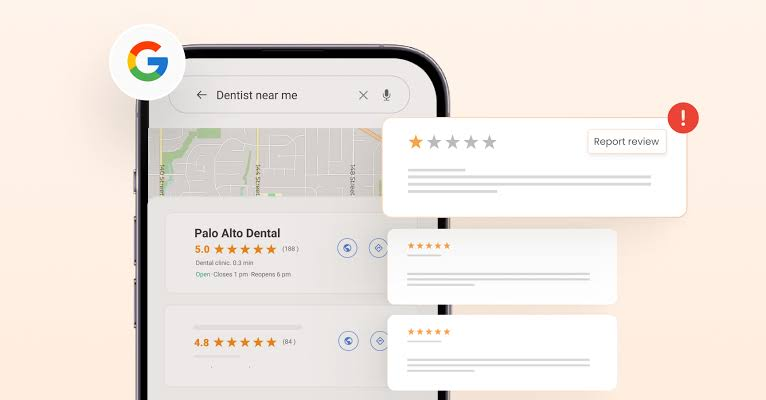
Online reviews are common, and most people assume they are simply sharing an honest opinion. In many cases, that is fine. Genuine opinions based on your own experience are generally treated differently than false statements presented as fact. The difference tends to come down to whether the statement is an honest opinion, and whether it is based on facts that are true.
A review that says a service was slow or a product did not work as expected is different from a review that makes a specific factual claim that turns out to be false, such as accusing a business of fraud or illegal conduct without a real basis for that claim. The more specific and serious the accusation, the more it may matter whether it can be supported.
Public Allegations About a Person
Posting about a personal dispute, whether it involves a former partner, a coworker, a landlord, or someone else, can carry similar risks. Sharing your side of a story is not automatically off limits, but making specific factual claims that are false, or that cannot be supported, may create exposure depending on how serious the allegation is and how it affected the other person.
This can come up in situations involving accusations of dishonesty, criminal conduct, or professional misconduct, particularly where the claim is stated as fact rather than as an opinion or an account of your own experience.
Why Truth and Support for the Statement Matter
Whether a statement is true, or can reasonably be supported, tends to be one of the most important factors in these situations. A statement that is accurate and can be backed up is generally in a very different position than one that is false or exaggerated. This is part of why it is worth being careful about stating something as a definite fact when you are not fully certain it is accurate.
It is also worth keeping in mind that even a statement you believe to be true may still create a dispute if the other person disagrees and the matter ends up being contested. Having some record of why you believed the statement to be true, such as documents, messages, or other evidence, may help if the situation is ever questioned.
Screenshots, Deleted Posts, and Ongoing Exposure
Deleting a post after it has been shared does not necessarily undo the exposure it may have already created, since other people may have seen it, screenshotted it, or shared it further. If a post has already reached other people, removing it later may reduce ongoing exposure but does not always resolve concerns about what already happened.
What This Means for You
If you are thinking about posting something about a person or a business, or you have already posted something and are concerned about it, it may help to think about whether the statement is fact or opinion, whether it can be supported, and how serious the accusation is. If you are on the other side of this, and someone has posted something about you that you believe is false and harmful, similar questions tend to apply.
Every situation is different, and whether a specific post may create legal exposure depends heavily on the exact wording, the context, and the impact it had. If you are concerned about something you have posted, or something posted about you, it is generally a good idea to have the situation reviewed before deciding how to proceed.
Frequently Asked Questions
Q: Can I be sued just for leaving a negative review?
A: Not necessarily. An honest opinion based on your own experience is generally treated differently than a false statement presented as fact. Whether a specific review may create exposure can depend on the wording and whether it makes a factual claim that is not accurate.
Q: Does it matter if I delete the post afterward?
A: Deleting a post may help going forward, but it does not always undo exposure that already happened if other people saw, saved, or shared it before it was removed. This can vary depending on the situation.
Q: What if what I posted is true?
A: A true statement is generally in a different position than a false one, though whether something can be shown to be true, and how it was presented, may still matter depending on the facts. It is generally a good idea to keep any evidence that supports what you said.
Q: What should I do if someone posted something false about me online?
A: This can depend on what was said, how serious it was, and what impact it had. It is generally worth keeping a record of the post, such as a screenshot with the date, and speaking with a lawyer about your options.
Contact DevLaws
If you are concerned about something posted online, whether you posted it or it was posted about you, the team at DevLaws is here to help. Contact DevLaws today to schedule a consultation and talk through your specific situation.
contact@devlaws.com | +1 437 290 0424 | devlaws.com
Disclaimer
This article is provided for general information purposes only and does not constitute legal advice. It is not intended to create a lawyer-client relationship. Laws and regulations can change, and the information here may not reflect the most current developments. Every situation is different, and the information in this article may not apply to your specific circumstances. If you have questions about something posted online, or a statement you are concerned about, you should consult a qualified lawyer for advice tailored to your situation. DevLaws does not guarantee any particular outcome or result.